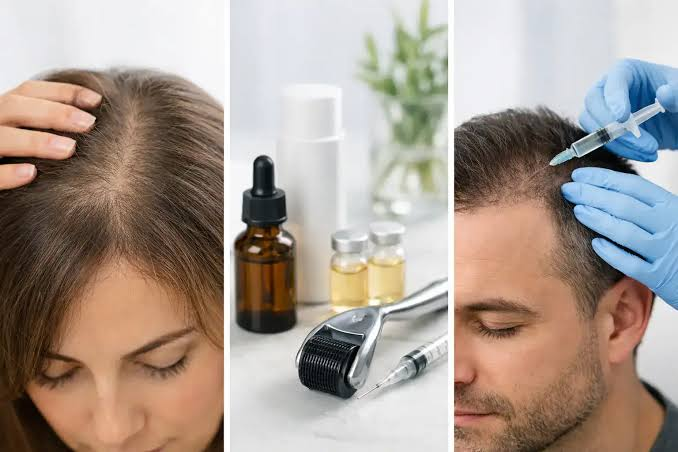
Understanding Hair Loss Treatments and Available Hair Care Solutions
Hair loss is a common concern that affects millions of people worldwide. It can influence personal confidence, appearance, and emotional well-being. Some individuals experience gradual hair thinning, while others notice excessive shedding, receding hairlines, or visible bald patches. Although losing a certain amount of hair every day is normal, unusual or persistent hair loss may require attention.
Fortunately, modern hair loss treatment products and professional care solutions provide different options for managing hair-related concerns. These include specialized shampoos, conditioners, topical treatments, nutritional supplements, and medically approved therapies. However, choosing the right solution requires understanding the cause of hair loss and identifying products suitable for individual needs.
This guide explores common hair loss causes, available treatments, popular hair care products, and practical ways to maintain healthier hair.
1. Understanding the Common Causes of Hair Loss
Hair loss can develop for several reasons. Identifying the underlying cause is important because different conditions require different treatment approaches.
Some common causes include:
- Genetics: Hereditary hair loss can gradually affect hair thickness and density.
- Hormonal changes: Pregnancy, menopause, thyroid conditions, and hormonal imbalances may influence hair growth.
- Nutritional deficiencies: Insufficient iron, protein, or certain vitamins can contribute to excessive shedding.
- Stress: Physical illness, emotional pressure, and major life changes may trigger temporary hair loss.
- Scalp conditions: Dandruff, inflammation, and infections can affect scalp health.
- Hair damage: Frequent heat styling, chemical treatments, and tight hairstyles can weaken hair strands.
Understanding these factors helps individuals avoid unsuitable products and seek appropriate professional advice.
2. Different Types of Hair Loss
Not every type of hair loss develops in the same way. Recognizing the pattern can help determine which treatments may be appropriate.
Androgenetic alopecia: Also known as hereditary hair loss, this condition causes gradual thinning. It commonly affects the hairline and crown in men and produces broader thinning in women.
Telogen effluvium: This condition involves increased hair shedding, often following illness, surgery, childbirth, or significant stress.
Alopecia areata: This is an autoimmune condition that can cause round or irregular patches of hair loss.
Traction alopecia: Repeated pulling from tight hairstyles can damage follicles and cause hair loss.
Scarring alopecia: Certain inflammatory conditions can permanently damage hair follicles and require early medical attention.
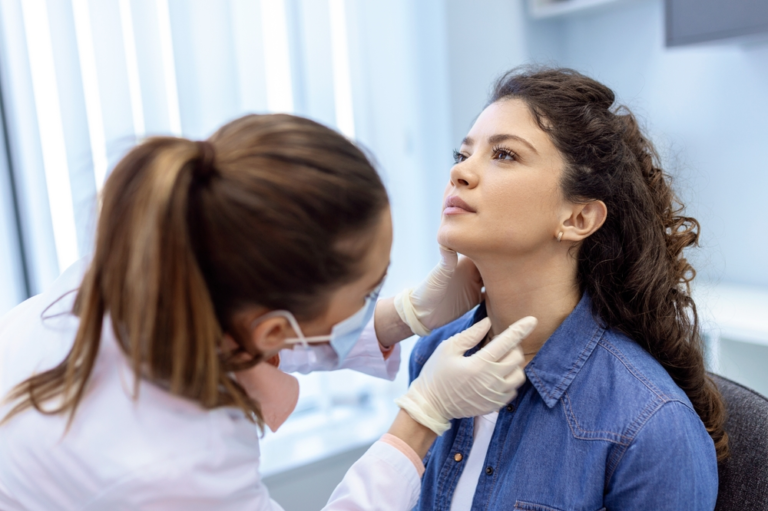
A dermatologist can examine the scalp and recommend testing when necessary.
3. Choosing the Right Hair Loss Treatment Products
The market offers numerous products designed to improve hair appearance and support scalp health. However, their effectiveness depends on the ingredients, formulation, and underlying hair condition.
Common product categories include:
- Hair growth shampoos.
- Nourishing conditioners.
- Topical hair growth treatments.
- Scalp serums.
- Hair masks.
- Medicated shampoos.
- Nutritional supplements.
Some products improve moisture and reduce breakage, while others address specific scalp conditions or types of hair loss.
Before purchasing a treatment, check its ingredients, manufacturer information, usage instructions, and suitability for your scalp. Avoid products promising guaranteed results or dramatic hair growth within a few days.
4. Hair Growth Shampoos and Their Benefits
Hair growth shampoos are popular because they are easy to include in everyday grooming routines. Most are designed to cleanse the scalp, remove excess oil, and improve the condition of hair strands.
Some formulas contain ingredients such as caffeine, biotin, panthenol, and plant extracts. These ingredients may offer cosmetic conditioning benefits, although evidence that ordinary shampoos can reverse genetic hair loss is limited.
People with oily scalps may prefer lightweight cleansing formulas, while those with dry hair may benefit from moisturizing shampoos.
Medicated shampoos serve a different purpose. Products containing ketoconazole or selenium sulfide may help manage certain scalp conditions, including dandruff.
Choosing a shampoo based on scalp condition is generally more useful than relying on advertising claims about rapid hair growth.
5. Minoxidil and Other Medical Hair Loss Treatments
Minoxidil is one of the established topical treatments used for certain types of hair loss, particularly androgenetic alopecia.
It is available in different formulations and strengths. It may help support hair regrowth and slow further thinning in suitable individuals.
Important considerations include:
- Follow the product instructions carefully.
- Apply it consistently as directed.
- Allow several months to evaluate the results.
- Understand that temporary increased shedding can occur initially.
- Discuss possible irritation and other side effects with a healthcare professional.
Continued use is generally necessary to maintain benefits.
Other medical treatments may be suitable depending on the diagnosis. For example, doctors may prescribe finasteride for certain men with hereditary hair loss. It has potential side effects and is not appropriate for everyone.
Women experiencing hair loss may have different treatment options depending on their medical history and reproductive circumstances.
Medical advice is essential before beginning prescription treatments.
6. Hair Serums and Scalp Treatments
Hair serums are designed to deliver concentrated ingredients to the scalp or hair strands. Depending on their formulation, they may improve moisture, reduce dryness, and support healthier-looking hair.
Popular serum ingredients include:
- Peptides.
- Panthenol.
- Caffeine.
- Niacinamide.
- Botanical extracts.
- Hyaluronic acid.
However, cosmetic scalp serums should not be confused with clinically established hair loss medications.
Some products mainly improve the appearance and texture of existing hair rather than stimulating new growth.
Choose lightweight formulas if your scalp becomes oily easily. Individuals with sensitive skin should check ingredient lists and discontinue products that cause irritation.
7. Conditioners and Hair Repair Products
Hair breakage can make hair appear thinner, even when the follicles are producing normal amounts of hair.
Conditioners and repair treatments help improve the condition of damaged strands. They reduce friction, improve softness, and make brushing easier.
Useful ingredients include:
Argan oil: Helps condition dry hair and improve smoothness.
Shea butter: Provides moisture and helps manage coarse hair.
Ceramides: Support the protective structure of hair strands.
Hydrolyzed proteins: Can temporarily improve the appearance and feel of damaged hair.
Panthenol: Helps condition hair and improve manageability.
These products do not treat every medical cause of hair loss, but they can reduce preventable breakage.
8. Vitamins and Supplements for Hair Health
Nutrition plays an important role in normal hair growth. Hair follicles need sufficient nutrients to maintain their regular growth cycle.
Several nutrients are particularly important:
- Iron: Supports oxygen transportation and normal body functions.
- Vitamin D: Contributes to normal cellular processes.
- Vitamin B12: Supports red blood cell formation.
- Zinc: Helps maintain normal tissue growth and repair.
- Protein: Supplies amino acids required for hair structure.
Supplements may be helpful when a deficiency is identified. However, taking large amounts of vitamins without a medical need does not necessarily improve hair growth.
Excessive intake of certain nutrients, including vitamin A and selenium, may actually contribute to hair loss.
A healthcare professional can recommend blood tests and appropriate supplementation when necessary.
9. Natural Hair Care Solutions and Oils
Natural oils are frequently included in hair care routines because they provide conditioning benefits.
Coconut oil can help reduce protein loss from hair during washing. Argan oil improves softness, while jojoba oil offers lightweight conditioning.
Rosemary oil is another popular ingredient because of research exploring its potential role in hair growth. However, evidence remains limited, and it should not replace established treatments.
Essential oils must be diluted before application because concentrated formulas may irritate the scalp.
Natural products can support hair maintenance, but they are not guaranteed solutions for hereditary hair loss, autoimmune conditions, or other medical problems.
10. Professional Hair Loss Treatments
Some individuals require professional treatments when over-the-counter products do not address their concerns.
Depending on the diagnosis, dermatologists may recommend:
Prescription medications: These target specific types of hair loss and require medical supervision.
Platelet-rich plasma (PRP): This procedure uses processed components of a person’s blood and involves injections into the scalp. Evidence of effectiveness varies, and multiple sessions may be required.
Low-level laser therapy: Certain devices use light energy to support hair growth in selected individuals. Results are not guaranteed.
Hair transplantation: This surgical procedure moves hair follicles from one area of the scalp to another. It may be appropriate for certain people with stable hereditary hair loss.
Professional assessment helps determine whether these options are suitable.
11. Lifestyle Changes That Support Healthy Hair
Healthy daily habits can contribute to better hair condition and general well-being.
A balanced diet should include vegetables, fruits, whole grains, healthy fats, and sufficient protein.
Other helpful practices include:
- Maintaining a consistent sleep schedule.
- Managing physical and emotional stress.
- Avoiding smoking.
- Limiting excessive heat styling.
- Using gentle hair care products.
- Avoiding hairstyles that pull tightly on the scalp.
- Keeping the scalp clean.
These habits cannot eliminate genetic hair loss, but they may help reduce preventable damage and support normal hair health.
12. How to Select Safe and Reliable Hair Loss Products
Choosing the right hair loss treatment products requires careful consideration. A product that works for one individual may not provide the same results for another.
Before buying, consider the following factors:
- Check the ingredients: Understand what the product contains and whether any ingredients may cause irritation.
- Identify the purpose: Determine whether the product treats scalp problems, improves hair condition, or addresses hair loss.
- Research the manufacturer: Choose reputable brands with clear product information.
- Avoid unrealistic promises: Guaranteed overnight regrowth is not a reliable medical claim.
- Consider professional advice: Consult a dermatologist when hair loss is persistent, sudden, or unexplained.
It is also important to follow recommended usage instructions and avoid combining multiple active treatments without professional guidance.
13. When Should You Consult a Dermatologist?
Although everyday shedding is normal, certain symptoms require medical attention.
Consider scheduling an appointment if you notice sudden hair loss, rapidly increasing thinning, bald patches, scalp pain, persistent itching, or unusual scaling.
A dermatologist may examine your scalp, review your medical history, and recommend blood tests or other investigations.
Early evaluation can be particularly important for conditions that cause permanent follicle damage.
Conclusion
Understanding hair loss treatments and available hair care solutions is the first step toward managing thinning, excessive shedding, and scalp-related problems. Hair loss treatment products such as specialized shampoos, conditioners, serums, and topical medications serve different purposes. Their effectiveness depends on the underlying cause and individual hair care needs.
A successful approach combines appropriate products, balanced nutrition, healthy lifestyle habits, and professional medical guidance when necessary. Rather than following every new hair growth trend, individuals should focus on reliable treatments and realistic expectations.
With consistent care and informed decisions, it becomes easier to protect existing hair, improve scalp health, and choose suitable solutions for long-term hair wellness.