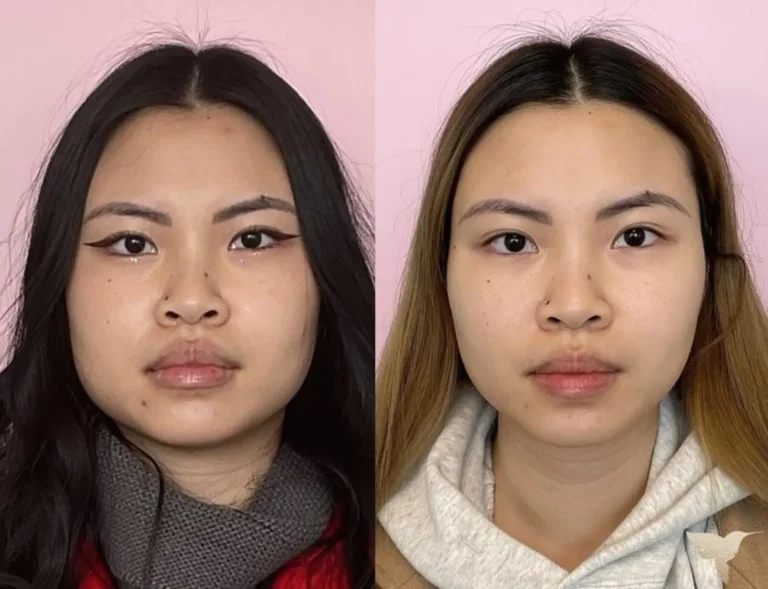
Beyond Beauty: What You Need to Know Before Getting Blepharoplasty
When people think about looking refreshed or reversing the signs of aging, they often imagine expensive creams or facials. But sometimes, tired eyes can’t be fixed with skincare alone. This is where blepharoplasty—commonly known as eyelid surgery—comes in. It’s not just about beauty. It’s about improving how you look, how you feel, and in some cases, how you see.
What Is Blepharoplasty?
Blepharoplasty is a surgical procedure that helps improve the appearance of your eyelids. It can be performed on the upper lids, lower lids, or both. The goal is to remove or reshape excess skin, fat, and muscle around the eyes. Over time, our eyelids stretch, and the muscles supporting them weaken. This causes sagging skin, puffiness, and bags under the eyes.
For many people, these changes don’t just affect appearance—they can interfere with vision. That’s why upper eyelid blepharoplasty is sometimes done not only for cosmetic reasons but also to restore clearer sight.
Why Do People Get Blepharoplasty?
There are many reasons people choose eyelid surgery. Some want to look younger and more awake. Others need it because their droopy eyelids block their line of sight. Common motivations include:
- Sagging skin around the eyes
- Puffiness caused by fat deposits
- Bags under the eyes
- Drooping upper lids that affect vision
- A tired or sad facial expression
Blepharoplasty helps correct these issues and creates a natural, rejuvenated look. The goal isn’t to change your face—it’s to bring back the youthful, bright appearance that time may have taken away.
The Procedure: What Happens During Eyelid Surgery?
The process begins with a detailed consultation. Your surgeon will examine your eyelids, discuss your goals, and take note of your medical history. On the day of your surgery, the steps are simple yet precise:
- Anesthesia: You may receive local anesthesia with sedation or general anesthesia, depending on your case.
- Incision: The surgeon makes small incisions along the natural lines of your eyelids. This ensures scars are nearly invisible once healed.
- Removal or repositioning: Extra skin, fat, or muscle is removed or reshaped.
- Closure: The incisions are carefully closed with sutures.
If both the upper and lower lids are treated, the procedure usually takes about two hours.
Recovery and Healing
Recovery after blepharoplasty is generally smooth. Mild swelling or bruising is normal for the first few days. Many people return to daily activities within one to two weeks. To help with healing, doctors may recommend:
- Keeping your head elevated while resting
- Using cool compresses to reduce swelling
- Avoiding heavy lifting or exercise for a short period
- Wearing sunglasses to protect the eyes from sun and wind
Your surgeon will provide detailed aftercare instructions. Following them closely helps ensure the best results.
Benefits of Blepharoplasty
The benefits go beyond what you see in the mirror. Here are some key advantages of eyelid surgery:
- A refreshed appearance: Your eyes look brighter and more open.
- Improved vision: Especially after upper eyelid blepharoplasty, many patients notice better peripheral vision.
- Long-lasting results: The effects can last for many years, making it a worthwhile investment in your confidence.
- Natural outcome: Skilled surgeons ensure your eyes still look like “you”—only more vibrant and rested.
Is Blepharoplasty Right for You?
While blepharoplasty can deliver wonderful results, it’s not for everyone. The best candidates are:
- Healthy individuals with realistic expectations
- People with drooping eyelids or excess skin
- Non-smokers (since smoking can slow healing)
- Individuals without serious eye or skin conditions
A consultation with an experienced oculoplastic surgeon or facial specialist is the best way to find out if this procedure fits your needs.
What Makes Upper Eyelid Blepharoplasty Special
Upper eyelid blepharoplasty focuses on removing or tightening the skin that droops over the eyes. For many, it’s not just about looking better—it’s about seeing better. Overhanging skin can make it hard to apply makeup, read comfortably, or even drive safely. After surgery, patients often say they feel lighter around the eyes and more alert overall.
Emotional and Psychological Benefits
It’s amazing how much confidence can come from small changes. Many patients say blepharoplasty gives them a boost in self-esteem. When the eyes look open and awake, the entire face looks happier and more approachable. This subtle transformation can even affect social and professional interactions.
What to Expect from Your Surgeon
Choosing the right surgeon matters as much as the surgery itself. Look for:
- A board-certified surgeon who specializes in eyelid surgery
- A track record of natural results
- Before-and-after photos of real patients
- Clear communication about risks and outcomes
Your surgeon should listen carefully, answer your questions, and design a plan based on your unique features.
Risks and Considerations
Like any surgery, blepharoplasty has risks. These include temporary dry eyes, swelling, infection, or mild asymmetry. However, complications are rare when performed by skilled surgeons. Following aftercare guidelines helps minimize any risks.
Long-Term Results
The effects of blepharoplasty can last a decade or longer. While the natural aging process continues, the results remain noticeable for years. Maintaining a healthy lifestyle and protecting your skin from the sun can extend the benefits even further.
Final Thoughts
Blepharoplasty is more than a beauty treatment—it’s a life-enhancing procedure that helps people feel comfortable and confident again. Whether it’s improving your vision, refreshing your look, or restoring your sense of self, eyelid surgery delivers real, lasting impact.
If you’re considering upper eyelid blepharoplasty or any form of eyelid surgery, take time to consult a qualified specialist. With the right guidance, you can achieve a naturally youthful look that aligns perfectly with who you are.
Frequently Asked Questions
- Is blepharoplasty painful?
No. Most patients feel minimal discomfort. Local anesthesia and medication keep you comfortable during and after the procedure. - How long does it take to recover from eyelid surgery?
Most people recover within 10 to 14 days. Swelling and bruising fade quickly, and results become more visible each week. - Is blepharoplasty only for older people?
Not necessarily. Younger individuals with droopy eyelids or hereditary eye bags can also benefit from the procedure. - How long do results from upper eyelid blepharoplasty last?
The results often last 8–10 years or more, depending on your lifestyle and skin health. - Can eyelid surgery affect my vision?
Yes, positively. If sagging eyelids were blocking your sight, upper eyelid blepharoplasty can restore clear vision.