What to Consider Before Buying a Wet Dry Vacuum for Your Home
Choosing the right cleaning tool for your home can feel overwhelming. Floors collect dust, spills, hair, and sticky residue every day. A wet dry vacuum offers a modern solution by combining vacuuming and mopping in one device. Before making a purchase, it is important to understand what truly matters. This guide walks you through the key factors to consider so you can make a confident decision.
Understand Your Cleaning Needs
Every home is different. Your layout, floor type, and daily habits should guide your choice.
Floor Types in Your Home
Start by looking at your floors. Hard floors like tile, laminate, vinyl, and sealed wood work best with wet dry vacuums. Some homes have a mix of surfaces. Make sure the unit can handle transitions smoothly. If you have delicate flooring, gentle water control is essential.
Household Size and Lifestyle
A small apartment may not need the same capacity as a large family home. Homes with kids or pets often face frequent messes. Spilled drinks, muddy footprints, and pet hair require stronger suction and efficient washing. Your daily routine should shape your expectations.
Cleaning Performance Matters
Not all wet dry vacuums clean the same way. Performance goes beyond basic suction.
Suction Power and Water Flow
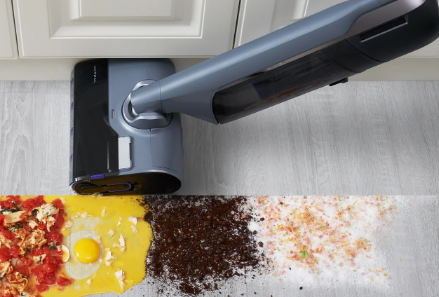
Strong suction helps remove debris before washing the floor. Balanced water flow prevents over-wetting. Too much water can leave streaks or damage floors. Too little water reduces cleaning results. Look for a system that keeps floors clean but not soaked.
Edge and Corner Cleaning
Dirt often builds up along walls and corners. Some devices struggle in these areas. A good design should reach edges without leaving residue behind. This detail makes a big difference in overall cleanliness.
Ease of Use and Comfort
A cleaning tool should save time, not add stress.
Weight and Maneuverability
Heavier units can feel tiring, especially during longer sessions. Smooth movement and flexible steering reduce effort. You should be able to move around furniture with ease. Comfort matters more than many people expect.
Controls and Learning Curve
Simple controls make daily use easier. Clear buttons and intuitive functions help avoid confusion. You should not need to read the manual every time you clean. A user-friendly design encourages regular use.
Maintenance and Hygiene
A wet dry vacuum handles dirty water, so hygiene should never be ignored.
Clean Water and Dirty Water Separation
A proper separation system ensures that clean water stays clean. Dirty water should be collected in a sealed tank. This prevents spreading grime back onto the floor. It also improves overall hygiene.
Easy Tank Cleaning
After cleaning, tanks need to be emptied and rinsed. Complicated designs can feel frustrating. Look for tanks that are easy to remove, empty, and wash. Simple maintenance helps keep the device fresh and odor-free.
Battery Life and Coverage Area
Cordless models offer freedom, but battery life becomes important.
Runtime per Charge
Consider how much space you plan to clean in one session. Short runtimes may require frequent recharging. Longer battery life supports uninterrupted cleaning. This is especially helpful in larger homes.
Charging Time and Storage
Fast charging adds convenience. Compact storage also matters if space is limited. A well-designed unit should fit neatly into your home without cluttering your space.
Noise Level and Daily Comfort
Noise can affect when and how often you clean.
Quiet Operation
Some wet dry vacuums are louder than others. A quieter model allows cleaning early in the morning or late at night. This is useful in shared living spaces or homes with children.
Smooth and Stable Operation
Vibration and uneven movement can feel uncomfortable. Stable operation improves control and reduces fatigue. This contributes to a better overall experience.
Long-Term Value and Durability
Price alone should not drive your decision.
Build Quality
Durable materials help the device last longer. A solid build can handle daily use and accidental bumps. Quality construction often reflects thoughtful design.
Replacement Parts and Longevity
Over time, parts may need replacement. Easy access to consumables supports long-term use. A well-made wet dry vacuum should serve your home for years, not months.
Safety Features You Should Not Ignore
Water and electricity require careful design.
Leak Prevention
A good sealing system prevents leaks during use and storage. This protects your floors and keeps cleaning safe. Even small leaks can cause long-term issues.
Automatic Shut-Off Functions
Some units include safety features that stop operation when tanks are full or empty. These functions protect the motor and improve reliability. They also give peace of mind during use.
Why a Vacuum Mop Can Be a Smart Choice
Many homeowners now prefer a vacuum mop for everyday cleaning because it combines efficiency with convenience. Instead of sweeping first and mopping later, both steps happen at once. This saves time and reduces effort.
Final Thoughts
Buying a wet dry vacuum is an investment in daily comfort and cleanliness. The right choice depends on your floors, lifestyle, and expectations. Focus on performance, ease of use, hygiene, and long-term value. Avoid being distracted by unnecessary features. A well-chosen device can simplify your routine and keep your home consistently clean. Take time to compare options and choose what truly fits your needs.