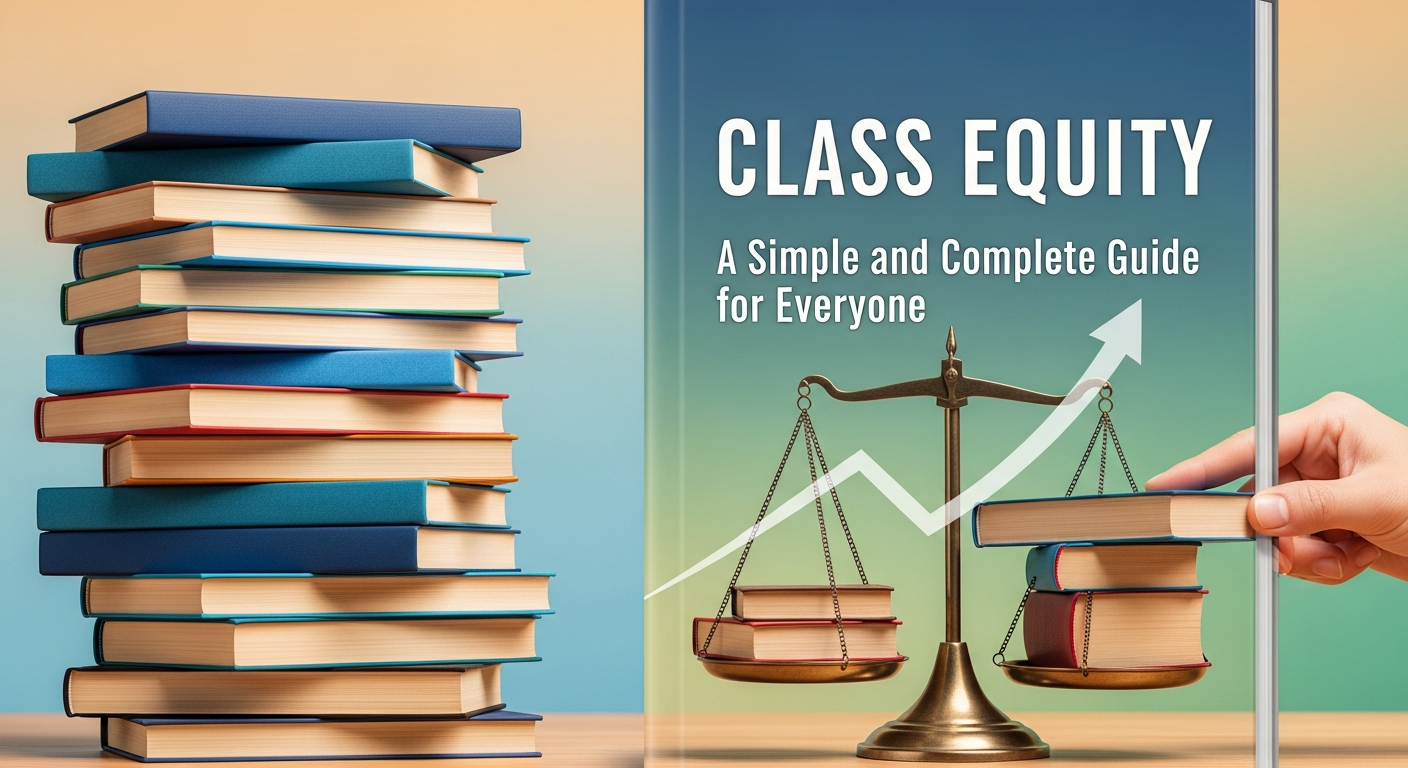
Class Equity: A Simple and Complete Guide for Everyone
Class equity is about fairness, care, and giving everyone a real chance to succeed. Many people confuse it with equality, but they are not the same. Equality gives everyone the same thing. Class equity gives people what they truly need. This idea is important in schools, workplaces, and society. Some people start life with fewer resources. Others start with more help and support. Class equity tries to balance that gap in a fair way.
Imagine three children trying to look over a wall. One is tall, one is medium, and one is short. If they all stand on the same box, only one can see. But if each child gets a different box height, all can see. That is class equity in action. It is not about favoritism. It is about fairness.
In this guide, you will learn what class equity really means, how it works, why it matters, and how it helps build a better world for everyone.
What Is Class Equity in Simple Words
Class equity means helping people based on their situation, not treating everyone exactly the same. Some people are born into families with more money, better schools, and stronger support. Others are not. Class equity understands this difference and responds with fairness.
In real life, class equity can look like extra school support for low-income students. It may include free meals, learning tools, or tutoring help. These supports do not give unfair advantage. They help level the field. This idea respects effort, dignity, and human potential.
When class equity is used properly, people feel seen and valued. They do not feel left behind. This makes communities stronger and more united. Fairness creates trust, and trust builds progress.
Class Equity vs Equality: The Key Difference
Many people think class equity and equality are the same. They are not. Equality means everyone gets the same thing. Equity means everyone gets what they need to succeed. This difference is very important.
For example, giving every student the same book is equality. But giving extra help to a student who cannot read well is class equity. That extra help does not harm others. It helps the student catch up. Equity focuses on outcomes, not just rules.
Class equity looks at barriers. It asks why someone is struggling. It then provides support based on that reason. This approach is kinder and more realistic. Life is not equal, so fairness must be flexible.
Why Class Equity Matters in Education
Schools are one of the best places to see class equity in action. Not all students come from the same background. Some have quiet homes and fast internet. Others do not. Treating them the same would not be fair.
Class equity in education may include free lunches, school supplies, or learning support. These tools help students focus on learning instead of survival. When students feel supported, they perform better.
Education is the foundation of the future. If schools ignore class equity, gaps will grow larger. When schools embrace it, students gain confidence and opportunity. This creates a smarter and kinder society over time.
Class Equity in the Workplace Environment
Class equity is also important at work. Some employees may face financial stress, limited education, or family pressure. Fair workplaces recognize this and provide support systems.
Examples include fair wages, training programs, and flexible schedules. These policies help employees grow without fear. When workers feel supported, productivity improves. Trust and loyalty increase.
Companies that practice class equity often perform better long term. They attract diverse talent and build strong teams. Fair treatment is not just moral. It is smart business.
How Social Class Affects Opportunities
Social class shapes access to education, healthcare, and jobs. People from higher classes often have better networks and safety nets. Others must work harder for the same chance.
Class equity tries to reduce this gap. It does not erase effort or success. It simply removes unfair barriers. When opportunities are fair, talent can shine from anywhere.
Ignoring social class creates division. Addressing it creates unity. Class equity helps society move forward together instead of apart.
Real-Life Examples of Class Equity
A school offering free breakfast is class equity. A company paying interns fairly is class equity. A city providing affordable housing is class equity. These actions meet real needs.
Another example is scholarships for low-income students. These do not punish rich students. They lift those who need help. Fair systems help everyone feel included.
Small steps matter. Even simple actions can create lasting change. Class equity is built through daily choices.
Common Myths About Class Equity
Some people think class equity is unfair or biased. This is a myth. Equity does not take away from others. It fills gaps where help is needed.
Another myth is that equity lowers standards. In truth, it raises outcomes. When people receive proper support, they meet expectations more easily.
Understanding class equity removes fear. It shows that fairness benefits everyone, not just a few.
Challenges in Implementing Class Equity
Class equity is powerful, but not easy. One challenge is misunderstanding. People may resist change due to fear or misinformation. Education helps overcome this.
Funding is another challenge. Equity programs need resources. Long-term planning and policy support are essential. Without commitment, progress slows.
Despite challenges, the benefits outweigh the effort. Fair systems create stability and trust over time.
The Long-Term Benefits of Class Equity
Class equity creates healthier communities. It reduces poverty, improves education, and builds social trust. People feel valued and respected.
Children grow with confidence. Workers stay motivated. Communities become safer and stronger. These benefits last for generations.
A fair society is not perfect, but it is caring. Class equity helps build that future.
FAQs About Class Equity
What does class equity mean?
Class equity means fairness based on people’s needs, not equal treatment for everyone.
Is class equity the same as socialism?
No. Class equity focuses on fairness, not government control or equal outcomes.
Why is class equity important?
It helps reduce unfair gaps caused by income and social class differences.
Can class equity work in small communities?
Yes. Even small actions can create fair and supportive environments.
Does class equity hurt high-income groups?
No. It supports others without taking away opportunities from anyone.
Final Thoughts on Class Equity
Class equity is about kindness guided by fairness. It understands that life starts differently for everyone. By offering the right support, we help people reach their potential. This does not weaken society. It strengthens it.
Whether in schools, workplaces, or communities, class equity creates balance. It builds trust, reduces conflict, and opens doors. Small efforts can lead to big change.
If you care about fairness, opportunity, and progress, class equity matters. Learning about it is the first step. Supporting it is the next.