Mugwort Tea: Benefits, Safety, Side Effects, and How to Use It Wisely
Introduction
Mugwort tea is a herbal drink made from the leaves of the mugwort plant. People have used this tea for hundreds of years in many cultures. Today, mugwort tea is gaining attention again because many people want natural ways to feel better. This tea is often used for digestion, relaxation, and women’s health. Some people also enjoy it as part of their evening routine.
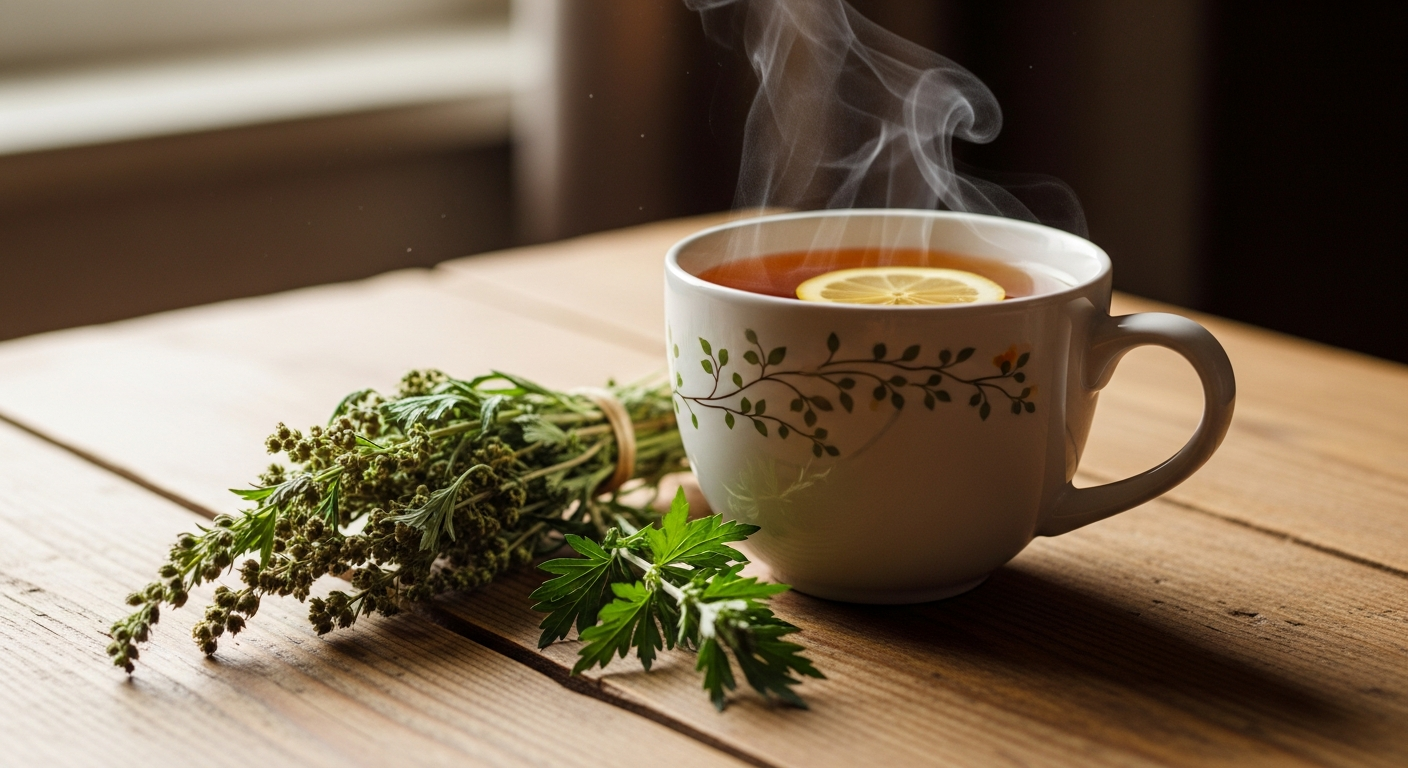
I first learned about mugwort tea from a family herbalist who shared gentle, plant-based remedies. What stood out was how carefully mugwort tea should be used. It can be helpful, but it is not for everyone. This guide explains mugwort tea in a clear and honest way. You will learn the benefits of mugwort tea, how to make mugwort tea, safety tips, and possible side effects. Everything is explained in easy words, step by step.
What Is Mugwort Tea?
Mugwort tea comes from the dried leaves of the mugwort plant. The plant grows in Asia, Europe, and North America. It has a strong smell and a slightly bitter taste. Many people compare it to green tea but more earthy. Mugwort tea does not come from tea leaves, so it is a herbal tea.
Traditionally, mugwort tea was used in Chinese, Korean, and European folk medicine. People drank it to support digestion, calm nerves, and help with women’s monthly cycles. Even today, Korean mugwort tea is served as a daily wellness drink. The tea is caffeine-free, which makes it gentle for evening use. Still, it should be used with care and respect.
Complete Mugwort Tea Information Table
| Detail | Information |
|---|---|
| Herbal Name | Mugwort (Artemisia vulgaris) |
| Tea Type | Herbal tea |
| Taste | Bitter, earthy |
| Caffeine | No caffeine |
| Common Uses | Digestion, relaxation, women’s health |
| Popular Regions | Korea, China, Europe |
| Best Time to Drink | Evening or after meals |
| Safe for Daily Use | In small amounts only |
| Not Safe For | Pregnancy, allergies to plants |
Mugwort Tea Benefits for Daily Wellness
Mugwort tea benefits are often linked to digestion and relaxation. Many people drink it after meals to help reduce bloating. The warm tea can help the stomach feel calm and settled. This is why mugwort tea is sometimes used after heavy or oily foods.
Another benefit of mugwort tea is its calming effect. Some people feel relaxed after drinking it. That is why it is often used before bedtime. Mugwort tea benefits may also include better focus and gentle support for overall balance. These effects are mild and natural. Results can differ from person to person, so it is best to start slow.
Benefits of Mugwort Tea for Women
The benefits of mugwort tea are often discussed in women’s health. Traditionally, it was used to support regular monthly cycles. Some women drink it when their cycle feels late or uncomfortable. The tea is believed to help warm the body and improve blood flow.
However, it is very important to be careful. Mugwort tea is not safe during pregnancy. Women should only use small amounts and stop if they feel discomfort. Always listen to your body. While benefits of mugwort tea are talked about in folk use, modern advice suggests caution and moderation.
How Much Mugwort Tea to Start Period
Many people ask how much mugwort tea to start period timing. Traditionally, small amounts were used for a short time. Usually, one small cup per day for one or two days was common in folk practices.
Still, this is not medical advice. Mugwort tea affects the body and should be used carefully. Drinking too much can cause side effects. If your cycle is often late, it is better to speak with a health professional. Mugwort tea should never replace medical care or be used often for this purpose.
How to Make Mugwort Tea at Home
Learning how to make mugwort tea is simple. First, use dried mugwort leaves from a trusted source. Add one teaspoon of dried leaves to one cup of hot water. Let it steep for five to ten minutes. The longer it steeps, the stronger and more bitter it becomes. Strain the leaves before drinking. You may add honey to reduce bitterness. Drink slowly and notice how your body feels. When learning how to make mugwort tea, always start with small amounts. This helps you understand how your body reacts.
Is Mugwort Tea Safe for Everyone?
Many people ask, is mugwort tea safe to drink. The answer depends on the person. For most healthy adults, small amounts are usually fine. However, it is not safe for pregnant women. Mugwort tea may cause uterine movement, which can be dangerous. People with allergies to plants like ragweed should avoid it. Children should not drink mugwort tea. If you are unsure, speak with a healthcare provider. Asking “is mugwort tea safe” is smart, especially before regular use.
Mugwort Tea Side Effects You Should Know
Mugwort tea side effects can happen if too much is consumed. Some people may feel nausea, dizziness, or stomach discomfort. Allergic reactions can include itching or breathing trouble. These side effects are rare but possible. Long-term use is not recommended. Mugwort tea side effects are more likely when used daily for long periods. Always take breaks. If you feel unwell, stop using it right away. Natural does not always mean harmless.
Mugwort Tea Near Me and Where to Buy
If you search for mugwort tea near me, you may find it in herbal shops. Asian grocery stores often carry Korean mugwort tea. Health food stores may also sell dried mugwort leaves. Online shops make it easy to find mugwort tea nearby. Always check reviews and labels. Choose organic options when possible. Buying from trusted sellers ensures better quality and safety.
Mugwort Tea Nearby vs Homemade
Buying mugwort tea nearby is convenient, but making it at home gives more control. When you make it yourself, you know the strength and ingredients. Store-bought teas may be blended with other herbs. If you are new, start with ready-made tea bags. Once comfortable, try dried leaves. Both options can work well if used wisely.
Who Should Avoid Mugwort Tea
Some people should not drink mugwort tea at all. Pregnant women should avoid it completely. People with plant allergies should also stay away. If you take medication, ask a doctor first. Children and elderly people should be cautious. Mugwort tea is strong, even in small amounts. Knowing who should avoid it helps prevent problems.
FAQs About Mugwort Tea
Mugwort tea tastes bitter and earthy. Many people add honey to soften the flavor.
No, mugwort tea is caffeine-free and safe for evenings.
Daily use is not recommended. Use it occasionally in small amounts.
Some people find it calming, but reactions vary.
Check herbal shops, Asian markets, or online stores.
Common benefits include digestion support and relaxation.
Final Thoughts on Mugwort Tea
Mugwort tea is a powerful herbal drink with a long history. It offers gentle benefits when used carefully. Learning how to make mugwort tea, understanding safety, and knowing side effects helps you use it wisely. Always start small and listen to your body. If you enjoyed this guide, share it with someone curious about herbal teas. Ask questions, stay informed, and choose wellness with care.
You May Also Read This