Practical Methods for Safely Removing Snow from Your Roof During Winter
During the cold months in Calgary, it’s common for rooftops to collect thick layers of frozen precipitation. This accumulation can put extra weight on structures, and in some cases, lead to leaks or ice formation along gutters. Many homeowners notice the issue but aren’t sure what steps to take without risking damage or injury. Some people try using shovels from the ground, which can work if done carefully, but often scratches shingles or bends gutters. Others call a service like PROPERTY WERKS for assistance. They usually have specialized tools designed to lift and slide frozen material safely, preventing accidents that can happen when someone climbs a ladder on a slippery surface. You might wonder whether chemical treatments or heating cables are worth installing. In certain situations, they help reduce ice accumulation, but they’re not always necessary and sometimes create extra maintenance work. Observing the slope and structure of your home can guide whether these options make sense. Even small actions taken early can make a difference. For instance, clearing eaves regularly or keeping downspouts open helps water flow off without pooling. Simple routines, done carefully, can prevent bigger problems later in the season. Sometimes, though, it’s tricky to judge the right amount to clear versus leaving a thin protective layer.
Clearing Ice and Frost from Your Home

Winter accumulation on a dwelling can create problems if left unchecked. Thick layers of frozen precipitation add weight and sometimes cause gutters to bend or shingles to lift. You might think a broom or shovel from the ground is enough, but it can scratch surfaces or push material into awkward spots. Many homeowners in Calgary turn to PROPERTY WERKS because they have tools designed to slide material safely without climbing up dangerously. There are a few methods you can consider:
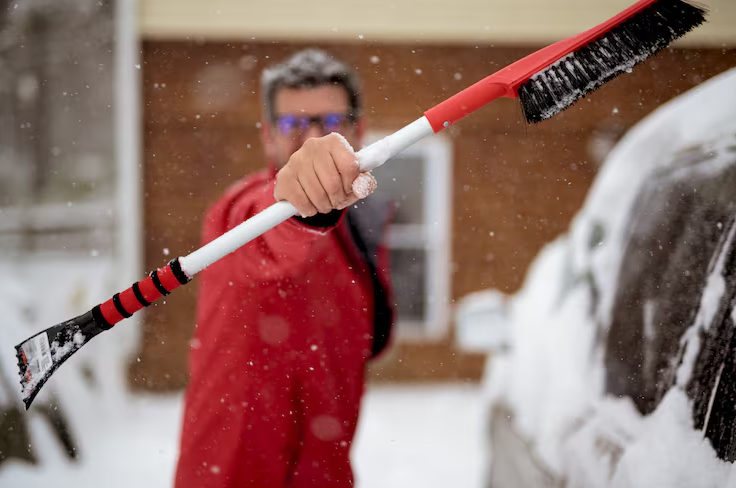
- Use a telescoping scraper to push or pull material down gently.
- Install heating strips along edges to prevent build-up along eaves.
- Keep downspouts clear so water can flow off naturally after melting.
Pay attention to the slope and roof type. Steeper angles might need professional attention more often. Flat or low-pitch surfaces can often be handled carefully from a ladder, but it’s easy to overdo it. Too much pressure can damage shingles, especially older ones. A light layer sometimes provides insulation, so removing everything immediately isn’t always necessary.
Tool Selection Tips
Choosing the right instruments matters. Plastic blades or rubber-edged tools are less likely to scratch surfaces than metal ones. A lightweight push broom works surprisingly well for thin layers. Avoid tossing material off the edges blindly; ice chunks can harm plants or property below. Safety is as important as clearing the accumulation itself.
Timing and Frequency
Try not to wait until a heavy storm has passed. Regularly clearing small amounts makes the task less daunting. Early mornings often have firmer frost, which slides more easily than material softened by daytime sun. Observing weather patterns and reacting promptly reduces risk and effort.
Selecting Proper Tools for Winter Clearing
Choosing the right instruments for clearing frozen buildup can make a noticeable difference. The wrong option can scratch shingles or dent gutters, while the correct one allows you to work from the ground or safely from a ladder. Some people underestimate the impact of a lightweight tool versus a heavier one, but it matters, especially if you have multiple layers compacted over time. Here’s a simple comparison you might find useful:
| Tool | Best Use | Notes |
|---|---|---|
| Telescoping Plastic Scraper | Thin layers on steep slopes | Gentle on surfaces, can extend reach |
| Rubber-Edged Push Broom | Wide areas with light frost | Reduces risk of scratches |
| Metal Snow Rake | Heavy buildup on low-pitch surfaces | Requires careful handling, avoid sudden pressure |
| Heating Strips | Edges and eaves | Prevents ice from forming along gutters |
Practical tips for tool selection include checking the weight, length, and grip comfort. You want something manageable, especially if you plan to clear multiple times during a cold snap. Occasionally, the smallest tool ends up being the most useful because you can control it better and it doesn’t risk structural damage. Remember, timing matters as well. Clearing material while it is still loose is easier than waiting until it compresses into a thick layer. Observing local conditions and adapting your approach can save effort and prevent accidents. Sometimes, even with the right tool, calling a service like PROPERTY WERKS makes sense, particularly for larger buildings or older structures.
Safe Techniques to Clear Ice and Frost Without Damage
Clearing frozen accumulation from a dwelling requires careful attention. Jumping on ladders without the right approach can easily harm shingles or bend gutters. You want to focus on controlled methods that reduce weight gradually without applying sudden force. Some practical techniques include:
- Using a telescopic scraper or rake with plastic edges to shift thin layers gently.
- Working from the ground whenever possible, pushing material down in sections rather than trying to handle large chunks at once.
- Keeping eaves and gutters free so melting water can flow naturally and avoid ice dams.
- Monitoring the surface for brittle patches where scraping could cause breakage.
Timing matters. Early morning frost can be easier to manage, while afternoon thaw can make it slippery and heavier. A light layer often acts as a protective buffer, so removing everything immediately may not always be necessary. Observing patterns over several days helps you plan the safest approach. Occasionally, the safest decision is to contact a service like PROPERTY WERKS. They have the right tools and experience for steep or older structures. Even if you feel confident, one misstep can lead to damage or injury, so professional support is often worth considering. Simple routines, performed carefully, prevent buildup from becoming a problem. Watching the weather, clearing small amounts consistently, and using proper tools keeps your home safe and minimizes long-term repair needs.
Preventing Ice Dams and Winter Buildup

Ice dams form when melting water refreezes along edges, causing blockages that can damage shingles and gutters. Controlling temperature differences in your attic and ensuring proper ventilation helps reduce these formations. Even small gaps in insulation can lead to significant accumulation over time. Simple steps you can take include:
- Inspecting and sealing attic leaks to maintain consistent warmth.
- Adding insulation to prevent heat from escaping through the ceiling.
- Keeping gutters and downspouts clear so melting water flows away easily.
- Installing heating cables along vulnerable edges if buildup is frequent.
Monitoring the structure regularly matters. Observing daytime melting and nighttime refreezing gives insight into potential problem areas. Often, early intervention prevents the weight and pressure that lead to damage. Small, consistent adjustments are better than trying to deal with heavy accumulation all at once. Sometimes, professional assessment by a company like PROPERTY WERKS can catch hidden trouble spots. They can recommend targeted insulation or edge treatments to reduce ice formation without adding unnecessary complexity. Paying attention to these details early in the season can save time and prevent costly repairs later.
Contact “PROPERTY WERKS” For More Information:
Address
1017 1 Ave NE, Calgary, AB T2E 0C9
Phone
403 239-1269
Hours of operation
Weeksdays 9 a.m.–5 p.m.
Website
Map
Q&A:
What tools are safest for clearing winter buildup on my home?
Plastic-edged scrapers and rubber-tipped push brooms are generally the safest options. They allow you to shift frozen layers without scratching shingles or denting gutters. Telescopic versions help you reach higher sections from the ground, reducing the risk of climbing on icy surfaces.
Can I handle thick accumulation on my own?
It depends on the pitch of your dwelling and the weight of the buildup. For low-pitch areas with thin layers, you can often manage carefully using proper tools. For steep slopes or heavy layers, calling a service like PROPERTY WERKS is safer. Even experienced homeowners risk damaging surfaces or slipping without the right approach.
When is the best time to clear frozen layers?
Early morning or when the buildup is still light tends to be easiest. The layers are firmer but not fully hardened, which makes sliding them off easier. Avoid afternoons when sunlight softens ice unevenly, creating slippery sections that increase the chance of accidents.
Do heating cables or insulation help prevent ice formation?
Yes, heating cables along edges and proper attic insulation can reduce ice dams and accumulation. They maintain a more consistent surface temperature, allowing melting water to flow instead of refreezing. Regular inspection and minor adjustments to insulation also improve results over time.
How often should I check for buildup during winter?
Monitoring once or twice a week is usually sufficient, especially after storms or prolonged cold snaps. Frequent checks prevent heavy layers from forming and allow you to address smaller areas before they become dangerous. Observing patterns over multiple days helps plan safer clearing routines.
Is it safe to use a ladder to clear frozen layers from my home?
Using a ladder can be risky, especially on icy surfaces or steep angles. If you choose to use one, make sure it is stable, positioned on solid ground, and avoid leaning too far. Sometimes, working from the ground with an extendable scraper or calling a service like PROPERTY WERKS is safer and prevents potential damage or injury.
Can regular maintenance prevent ice dams and heavy buildup?
Yes, small, consistent actions make a difference. Keeping gutters clear, ensuring attic insulation is adequate, and checking for leaks helps prevent water from refreezing along edges. Frequent monitoring, especially after storms, reduces the risk of heavy layers forming and protects the structural integrity of your dwelling.