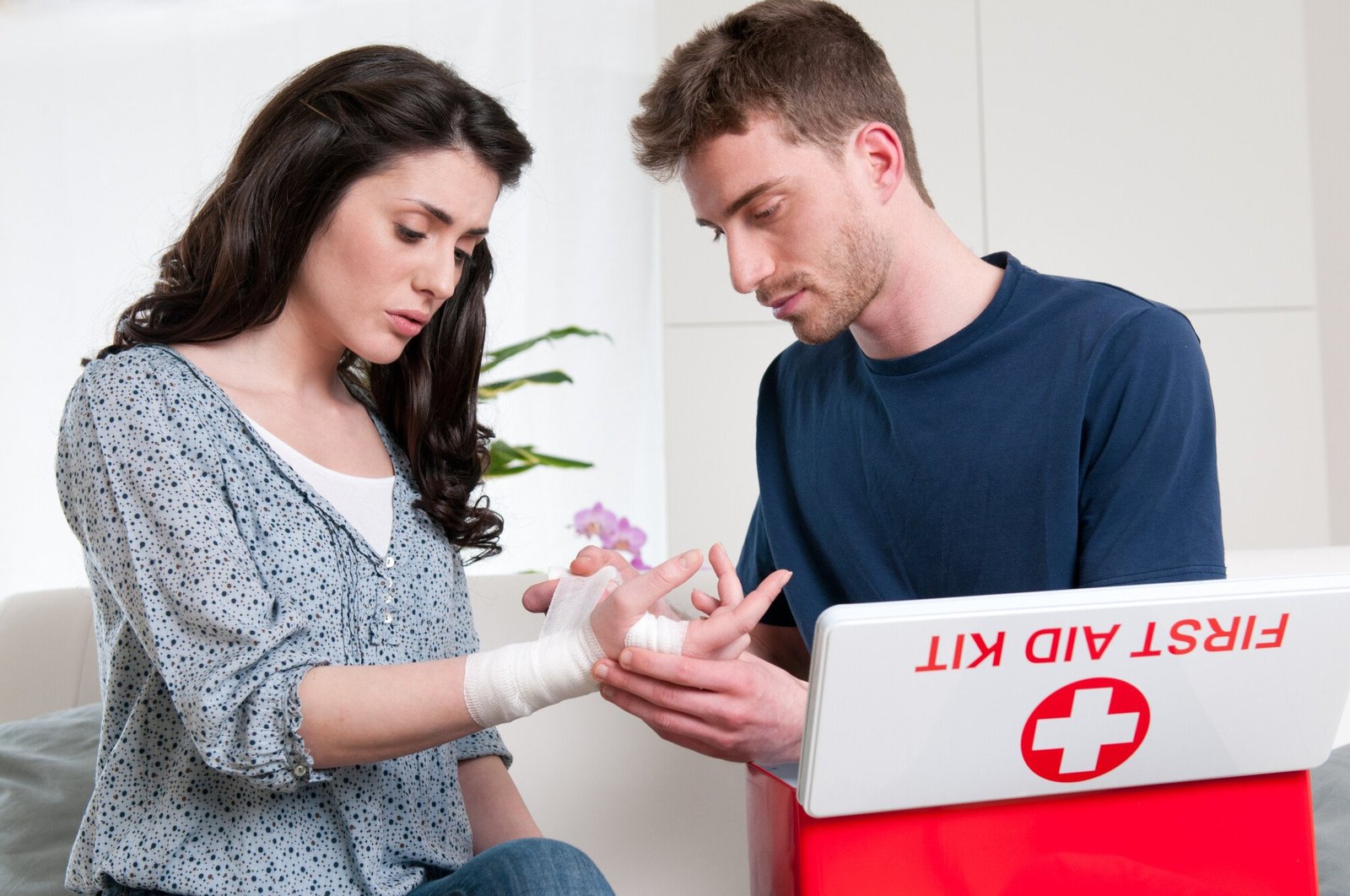
From Panic to Action: Handling Severe Bleeding with Confidence
Severe bleeding can be terrifying, but staying calm is your first superpower. Panic slows you down, but quick action can save a life. Knowing what to do turns fear into confidence.
From applying pressure to using proper bandages, every step matters. Timing and technique make the difference between chaos and control. Even if you’ve never faced it before, simple tips can guide your hands and your mind.
Learn how to act fast, stay steady, and help effectively. Be ready to move from panic to action, because preparedness is power.
Remain Calm
Panic disrupts judgment and delays decisive movement. Take a slow breath and focus on the situation in front of you. It is best to assess the severity of the bleeding without rushing into random actions.
A composed mindset helps you recall proper techniques and prioritize safety. Your calm presence can also reassure the injured person, reducing shock and distress.
Even in high-pressure moments, controlled behavior supports clarity and efficiency. Confidence grows when your mind is steady, allowing each response to be purposeful rather than impulsive or chaotic.
Call for Help
Calling for help should happen as soon as you recognize severe bleeding. Professional assistance ensures advanced care is on the way. Contact emergency services and provide clear, concise details about the injury and location.
If others are nearby, delegate tasks to avoid delays. Someone can gather supplies while another guides responders. Early communication shortens response time and improves outcomes.
Never assume help is already coming. Prompt action connects the injured person to lifesaving resources.
Apply Direct Pressure
Direct pressure is one of the most effective ways to slow heavy bleeding. If possible, use:
- clean cloths
- bandages
- gloves
Apply firm, consistent pressure directly over the wound. Avoid checking too often, as this can disrupt clot formation. If blood soaks through, add more material without removing the original layer.
Steady pressure helps compress damaged vessels and reduces blood loss. This simple action can stabilize the situation until advanced care arrives.
Elevate the Wound
Raise the injured area above heart level if possible and safe to do so. This position reduces blood flow to the site, easing continued loss.
Also, ensure the person is comfortable and monitor for signs of shock. Elevation should never replace pressure, but it enhances its effectiveness.
Avoid moving the limb if you suspect fractures or severe trauma. Thoughtful positioning demonstrates awareness and care.
Use a Tourniquet as a Last Resort
A tourniquet should only be used when bleeding cannot be controlled by other methods. Apply it above the wound and tighten until bleeding stops. Improper use can cause serious complications, so caution is essential.
Clearly note the time of application for medical responders. This tool is powerful but demands respect and precision.
Some courses can empower you to handle these situations assertively and save a life, so check it out! This kind of training builds confidence, sharpens judgment, and reinforces proper technique under pressure.
It can even prepare you to act decisively while minimizing risk. When knowledge guides your actions, even high-stress moments become manageable.
Tips for Managing Severe Bleeding Effectively
Being prepared can make all the difference in an emergency. Staying calm, acting quickly, and knowing the right techniques empowers you to help safely and confidently.
Practice these steps, refresh your skills, and consider taking a hands-on course to build real-life readiness. Every action counts when seconds matter. Take charge today and be ready to protect lives when it matters most.
Did you find this article helpful? Check out the rest of our blog now!